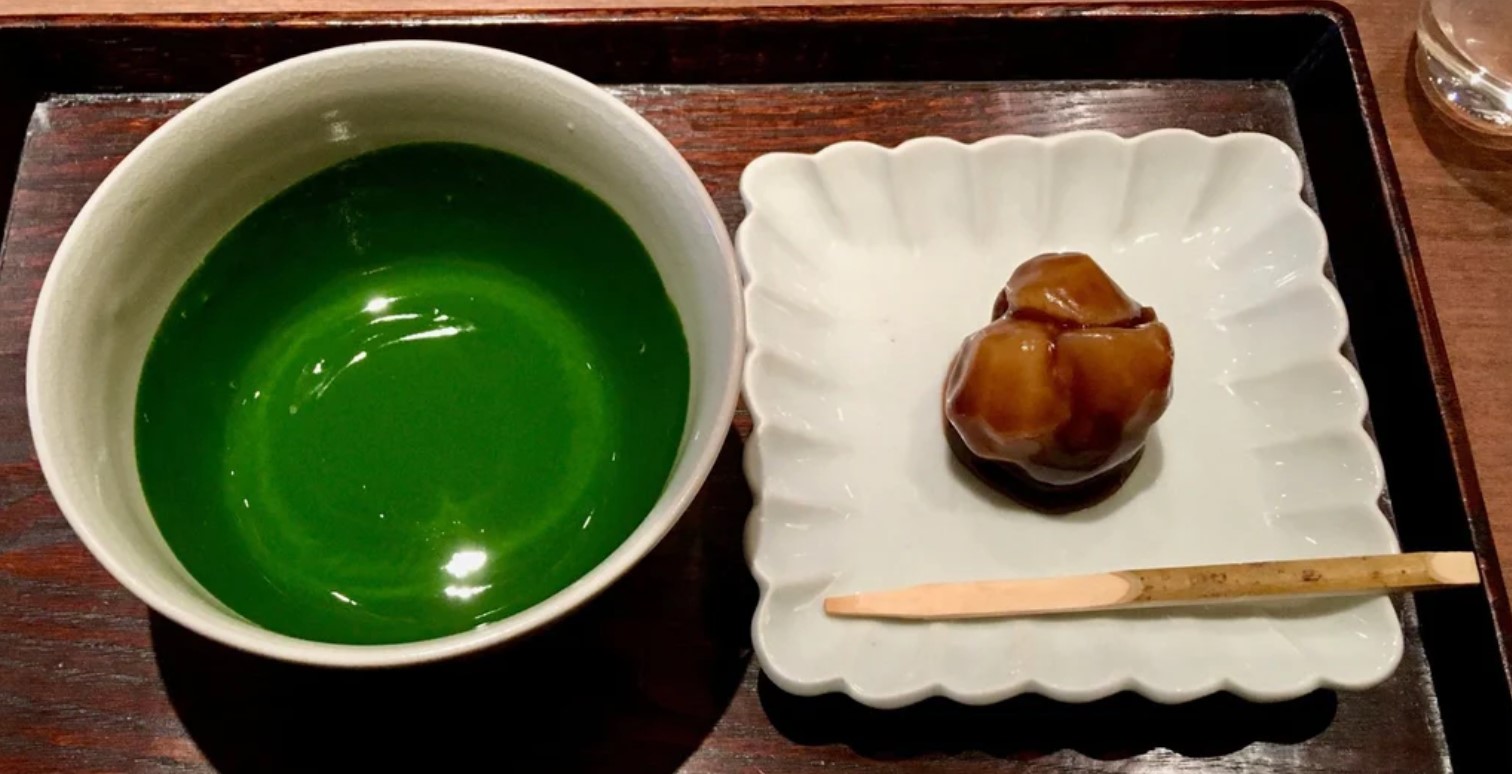
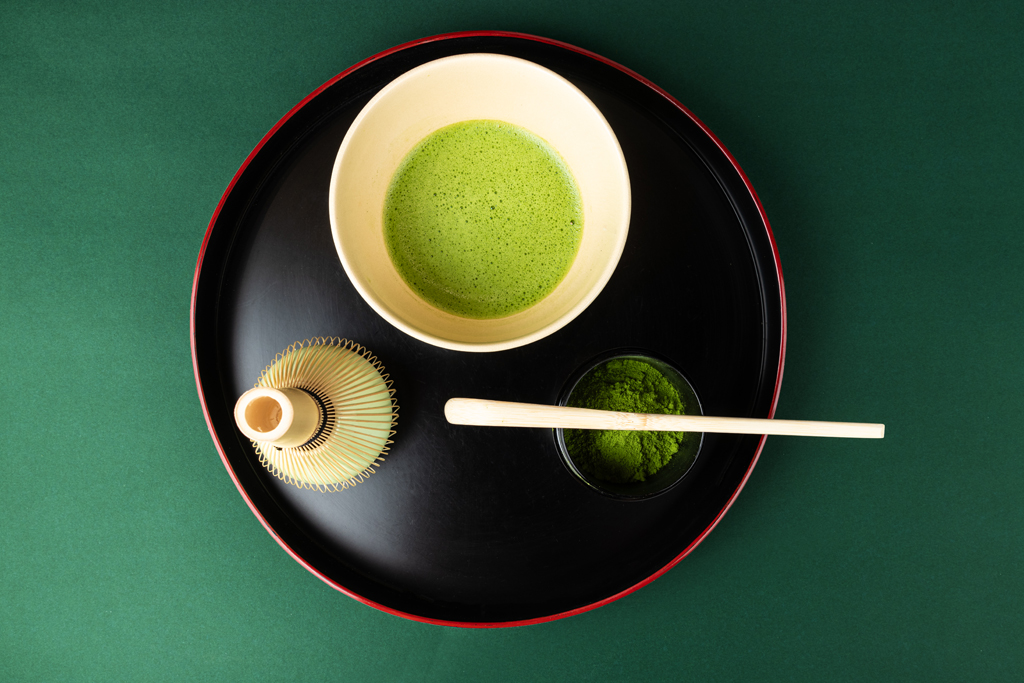
Ceremonial Matcha: The Most Misunderstood Word in Japanese TeaWalk into a specialty café in New York, Dubai, or London and you will likely come across the phrase "Ceremonial Matcha." It appears on tins priced at $20 and on others costing five times as much. It is used by luxury Japanese tea houses and mass-market brands alike. Yet here is the interesting truth:There is no official definition of ceremonial matcha in Japan. No government agency certifies it. No legal standards regulate it. And still, among tea professionals and Japan's most respected producers, everyone has a clear understanding of what exceptional matcha should be. The story of ceremonial matcha is therefore not a story about regulations. It is a story about culture.When Matcha Was Not Called CeremonialFor much of Japanese history, powdered tea was consumed almost exclusively in ceremonial settings. Tea seeds were introduced to Japan in the late 12th century by the Buddhist monk Eisai after his travels to China. At first, tea was not an everyday beverage. It was medicine, meditation aid, and a luxury reserved for monasteries and the aristocracy. Monks drank it before long hours of meditation. Samurai prized it for concentration and alertness. The nobility served it as a symbol of refinement. Nobody asked whether it was ceremonial. Its very existence was ceremonial. By the 15th century, tea evolved from luxury to philosophy. The Japanese tea ceremony, or Chanoyu, became one of the country's highest cultural arts. Tea masters such as Murata Jukō, Takeno Jōō, and later Sen no Rikyū transformed the act of drinking tea into something far deeper.A tea gathering was not meant to impress. It was meant to awaken. A rough clay bowl. A bamboo whisk softened by years of use.A flower picked that morning. And a bowl of matcha prepared with complete attention. This philosophy became known as wabi-sabi—finding beauty in simplicity, imperfection, and transience. Naturally, the tea itself had to embody those values.The Modern Meaning of "Ceremonial"Ironically, the term ceremonial became popular only after matcha left Japan. As Japanese tea spread globally, consumers needed a way to distinguish premium drinking matcha from products intended for cooking or industrial applications. "Ceremonial" became a convenient answer. Today, however, the word appears on products of vastly different quality. Some are exceptional. Some are ordinary. Some would never be served in a traditional tea gathering. The term itself is not the problem. The problem is assuming it tells the whole story.So What Actually Defines Exceptional Matcha?Ask most Japanese tea producers, and the conversation rarely starts with grades. Exceptional matcha is not made. It is cultivated.Its story begins years before harvest—in the way the tea garden is cared for, how the soil is nourished, the biodiversity it supports, and the patience with which the tea bushes are allowed to mature. Sustainable farming is not a fashionable concept in premium tea; it is a prerequisite. Healthy soils, clean mountain water, and responsible cultivation create the foundation upon which complexity is built. Then comes terroir.The elevation of the garden, the mineral composition of the soil, the temperature shifts between day and night, and the morning mist that blankets mountain slopes are not romantic details. They shape the character of tea as profoundly as terroir shapes the world's finest wines. The choice of cultivar is equally important. Some cultivars are prized for sweetness, others for umami, floral aromatics, or lingering finish. Certain varieties express their finest qualities only when cultivated under traditional shading methods such as honzu or sonoko, where tea plants are protected from direct sunlight for more than three weeks before harvest.This shading is transformative. It encourages the accumulation of amino acids, particularly L-theanine, while promoting the development of chlorophyll that gives premium matcha its vibrant green color and remarkable sweetness. After harvest, the craftsmanship continues.The leaves are steamed, dried, and refined into tencha. The stems and veins are carefully removed. The tencha is matured under controlled conditions and finally ground slowly on granite stone mills. The finest mills turn slowly—not because tradition insists upon it, but because rushing would sacrifice aroma, texture, and finesse.And eventually, all of this work reveals itself in the bowl.